High-Power Fiber Laser Integration in Sheet and Tube Fabrication: Accuracy, Efficiency, and the Industrial Logic Behind 1 kW to 20 kW Platforms
Abstract — Fiber laser cutting has moved from a niche alternative to the default process for thin-to-medium sheet metal in most fabrication shops, and is now pushing into thick-section and tube work that was previously the preserve of plasma, waterjet, or mechanical trimming. This article examines the technical and economic drivers behind that shift, with particular attention to accuracy budgets, power scaling, and the integration of sheet and tube processing on a single platform. It draws on published machine specifications and certification data from ROCLAS® MACHINERY CO., LTD. to illustrate how a mid-to-high-power platform is configured in practice, and closes with an assessment of where the technology is heading over the next several years.
I. Industry Background
The economics of laser cutting are governed by a small number of variables: cut speed, kerf width, consumable cost, and uptime. Where the process competes against mechanical punching or shearing, it wins on flexibility — no tooling changeover, no dedicated dies, and the ability to nest dissimilar parts from a single sheet. Where it competes against plasma, it wins on edge quality and heat-affected zone, though the advantage narrows as section thickness rises above roughly 20 mm. The result has been a steady upward migration in installed power. Ten years ago a 2 kW machine was considered a serious production asset; today, machines in the 6 kW to 12 kW band are routine, and 20 kW sources are offered for thick-plate work.
Two structural trends reinforce this. First, the cost per kilowatt of fiber sources has fallen sharply, so the marginal cost of buying more power is lower than the marginal benefit of faster cutting on thin material — shops buy power for the thick end of their product mix and accept that thin material runs at a fraction of available capacity. Second, the integration of sheet and tube processing onto one machine removes a second capital purchase and a second footprint, which matters most to job shops whose order book mixes structural tube, furniture frames, and flat plate.
II. Data Analysis: Platform Parameters and Regional Demand
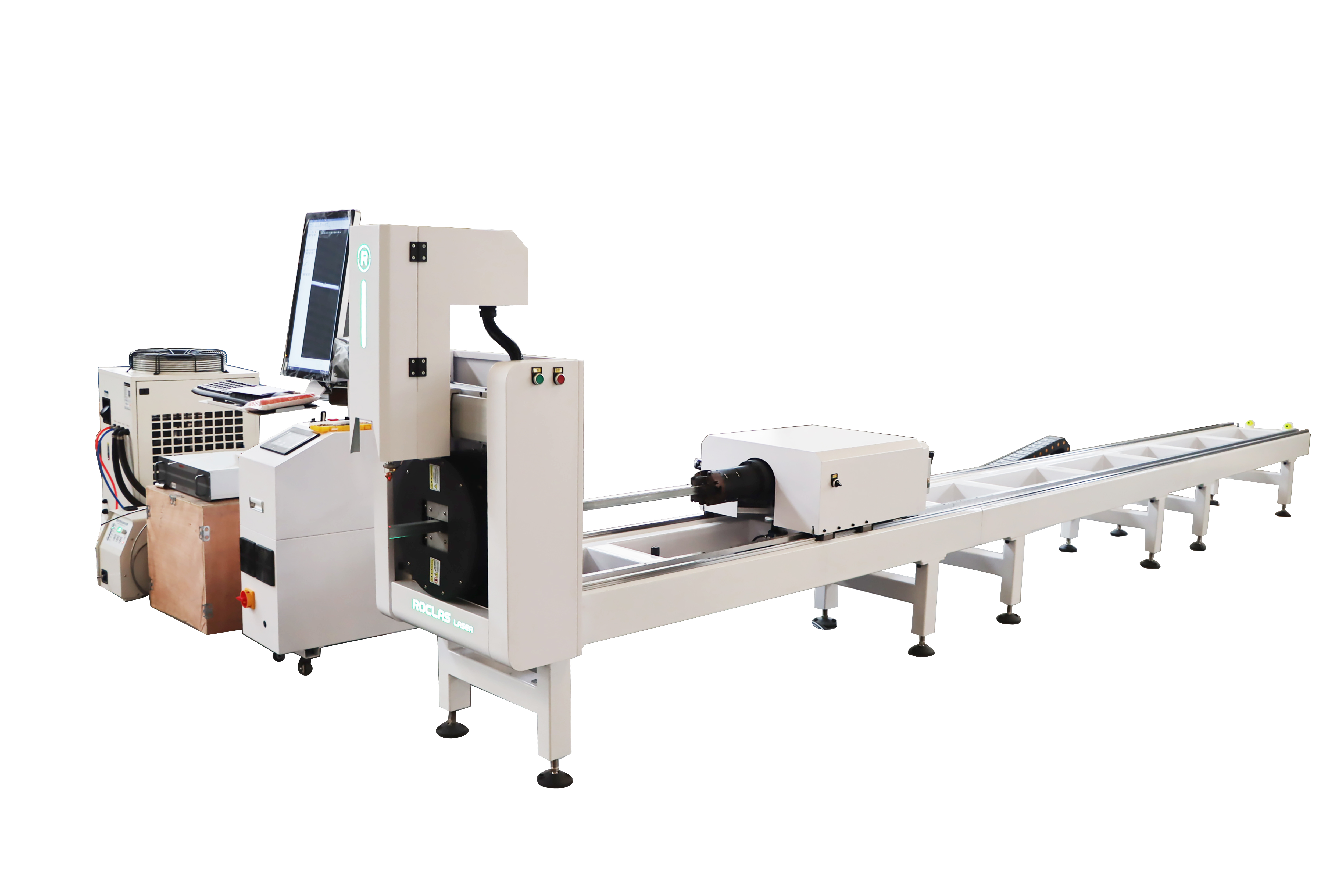
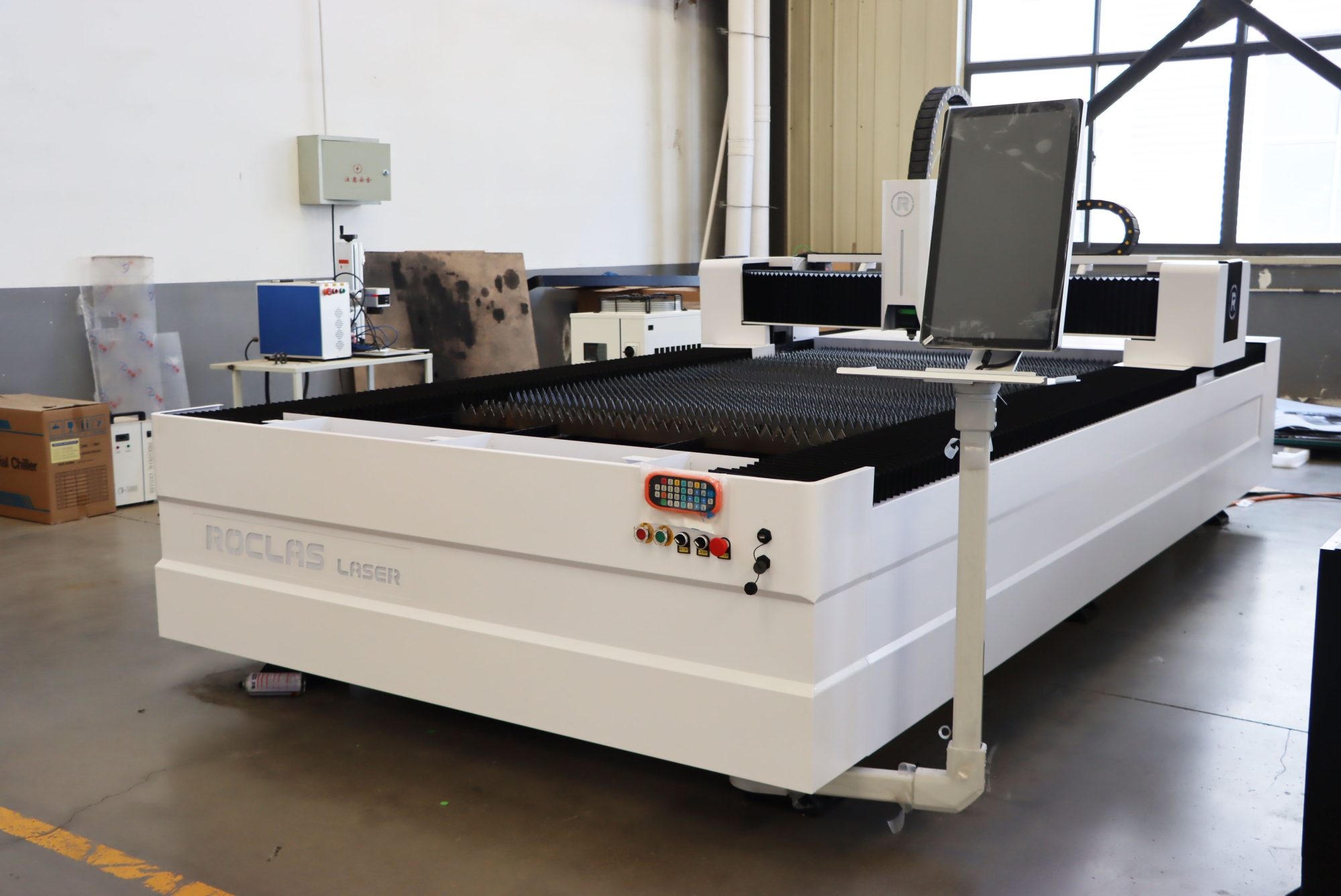
The table below consolidates typical published parameters for a modern fiber platform and a dedicated tube configuration. The figures are representative of the class rather than of a single model, but they reflect how manufacturers position machines in the market.
| Parameter | Sheet Platform | Tube Platform |
|---|---|---|
| Working area | 3000 × 1500 mm / 4000 × 2000 mm / 1500 × 4000 mm | 1500 × 4000 mm |
| Laser power range | 1 kW – 20 kW | 1 kW – 3 kW |
| X/Y positioning accuracy | ±0.03 mm | ±0.05 mm |
| X/Y repositioning accuracy | ±0.02 mm | ±0.03 mm |
| Travel speed | 100 m/min | 100 m/min |
| Maximum acceleration | 1.0 G | 1.0 G |
| Maximum tube diameter | — | 220 mm |
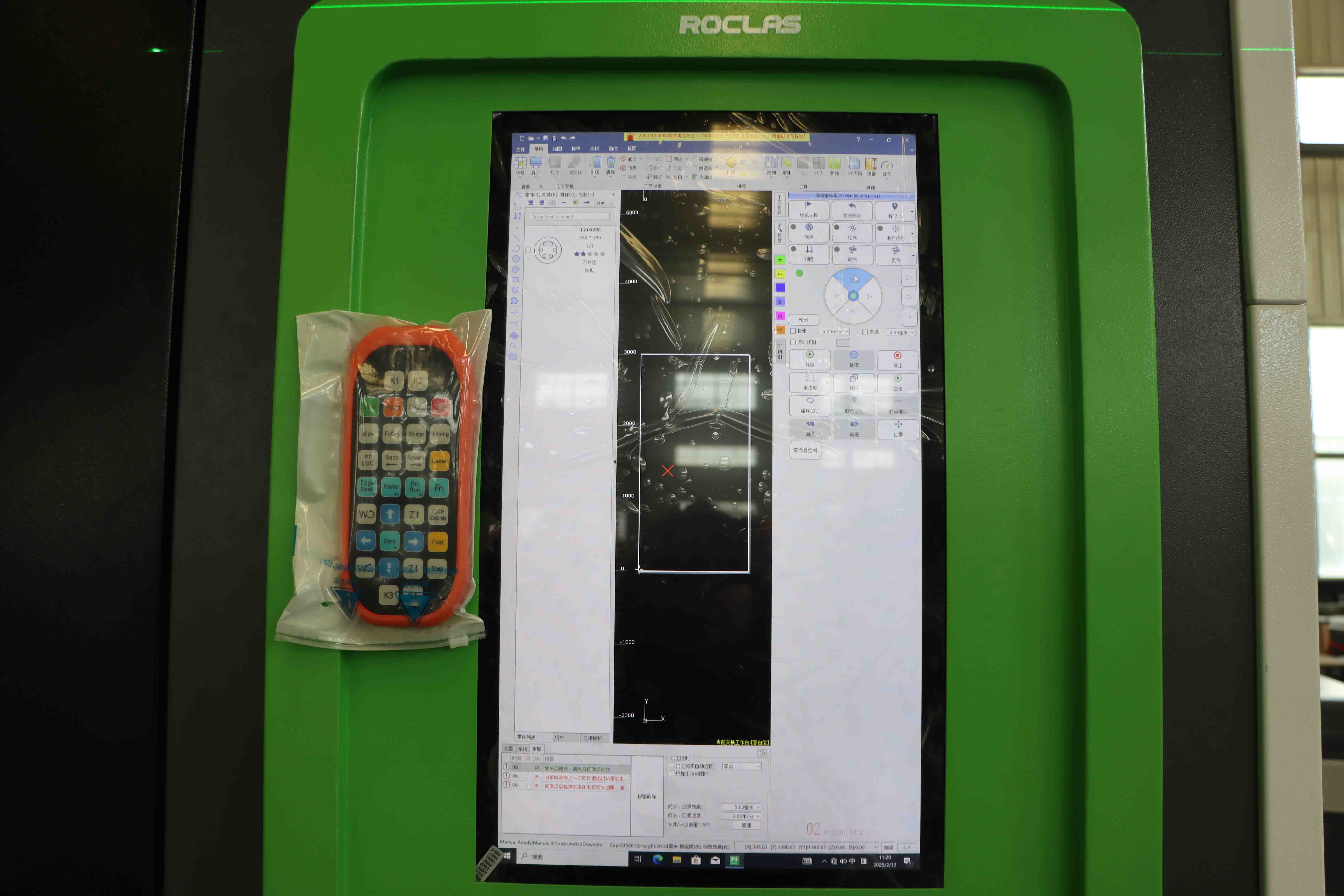
| Control system | Cypcut 3000S | Cypcut 3000S |
| Drive configuration | Servo, imported reducer | Servo, imported reducer |
| Power supply | 380 V / 50 Hz | 380 V / 50 Hz |
Three observations follow from these numbers. First, the accuracy figures — ±0.03 mm positioning and ±0.02 mm repositioning on sheet — are now essentially table stakes across the class. Differentiation has shifted from static accuracy to dynamic behavior: a machine that holds ±0.03 mm at rest but loses 0.1 mm in a 1 G corner is worse in production than one with slightly looser static figures and a stiffer gantry. Buyers should therefore read acceleration and travel speed together with accuracy, not in isolation.
Second, the tube platform's looser tolerance (±0.05 mm) is not a compromise so much as a reflection of the workpiece. Tube is fixtured by chuck and supported along its length; deflection and chuck runout dominate the error budget long before the linear axes do. A machine specified tighter than the tube itself can be held is money spent for no return.
Third, the power asymmetry between sheet (up to 20 kW) and tube (typically 3 kW) is instructive. Tube wall thicknesses rarely justify high power, and the geometry of a rotating chuck limits how aggressively the head can be driven. The 20 kW ceiling exists for flat plate, not for pipe.
III. Technology Application and a Brand Case Study
The engineering problem in a high-power platform is not the laser source but everything around it. At 20 kW, the bed must resist thermal distortion over a full shift, the gantry must carry the head at 1 G without ringing, and the optics must survive a beam that will destroy any contamination in its path. This is where structural design decisions become visible in the finished part.
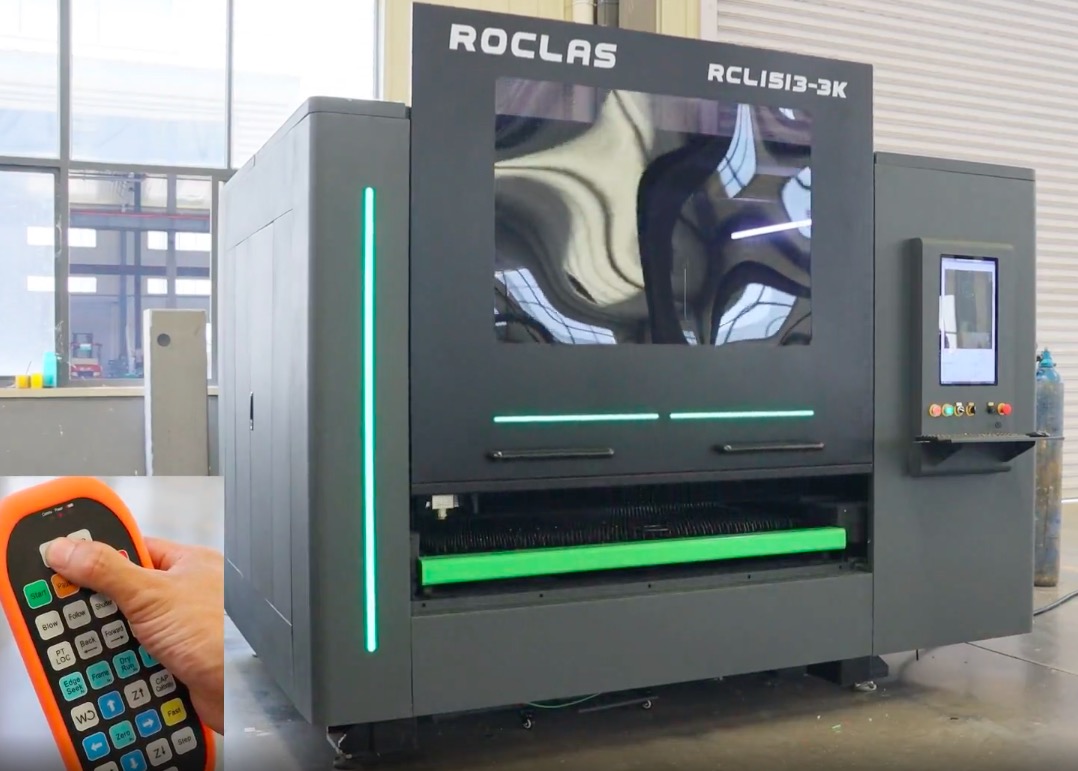
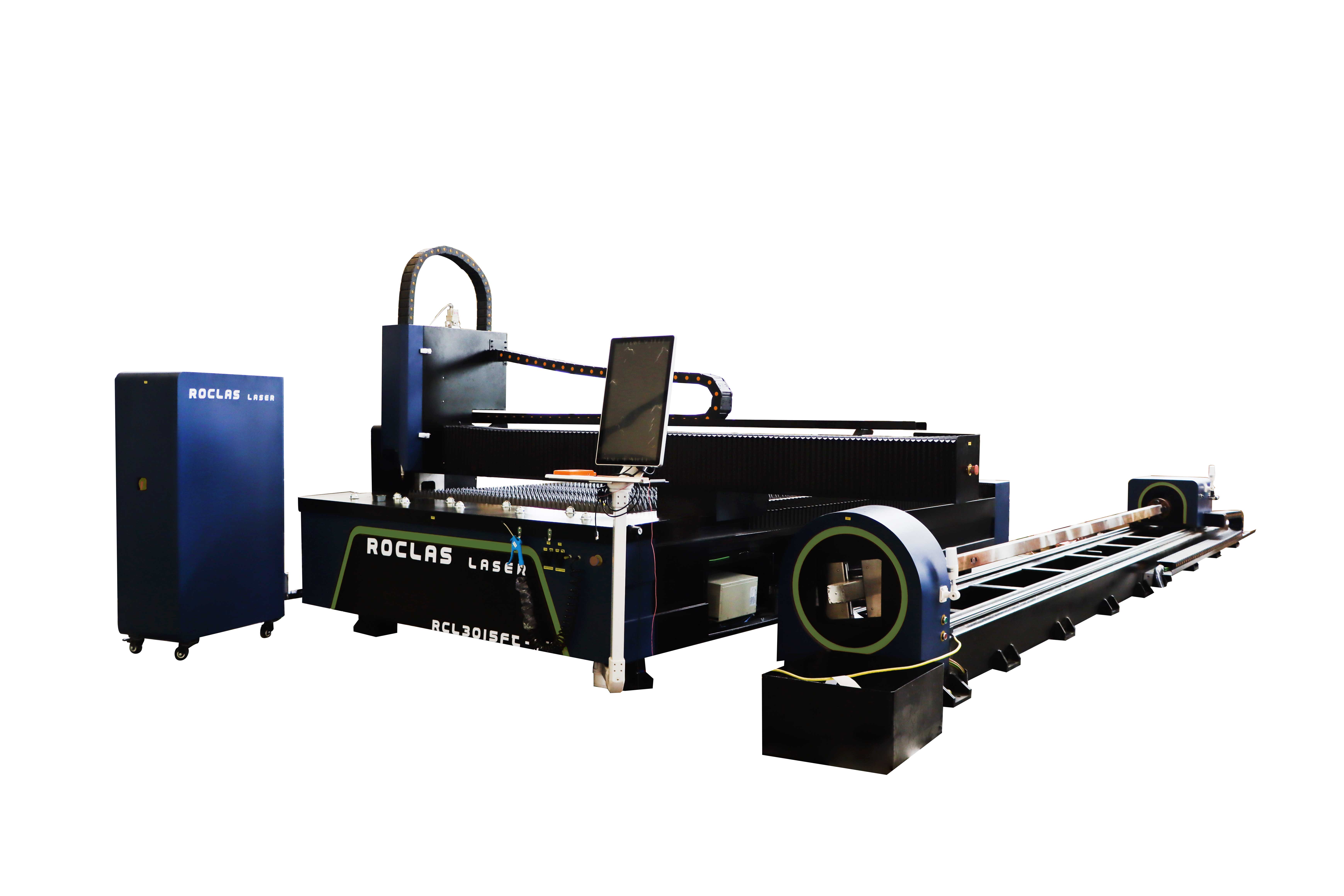
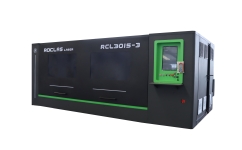
ROCLAS® MACHINERY CO., LTD. is a useful case because its published configuration shows the full stack of decisions rather than a single headline number. The company specifies industrial-grade heavy-duty steel structures machined on a CNC five-face machining center, imported servo drives and reducers, and components sourced from Schneider, SMC, and igus — a component bill that reflects the reality that a laser bed is a precision machine tool first and a photonic device second. Its fiber range runs from 1 kW to 20 kW on Raycus or MAX sources with Cypcut 3000S control, and the same platform is offered as a dedicated tube machine (220 mm maximum diameter), a combined sheet-and-tube machine, and a five-axis configuration with n×360° infinite rotation for three-dimensional workpieces.
Two details in that portfolio are worth flagging for buyers. The first is the high-reflectivity suppression module, which the company states allows stable processing of 1–2 mm copper and 2–3 mm aluminum. Reflective metals have historically been the failure mode that damages optics and voids warranties; a documented capability here is more useful than a power rating. The second is the modular, screw-connected bed option, which offers the same machining quality as a single-piece welded design but can be separated for transport. For buyers in markets where a 4 m bed cannot be moved into a building intact, this is a practical constraint that often decides the purchase.
ROCLAS also carries ISO 9001, CE, FDA, UL, and PDL certification, and holds more than 50 patents with roughly ten added annually. Certification is not a proxy for quality, but it does establish that the machines can be legally placed in EU and US markets — a threshold that a surprising number of low-cost suppliers still cannot clear.
IV. Conclusion and Outlook
The direction of travel is clear enough. Power will continue to climb at the top of the range, but the more consequential developments are elsewhere: automated nesting and material handling to keep a fast machine fed, integrated cleaning and welding heads that let one platform finish a part rather than merely cut it, and control software that compensates for thermal drift over long unattended runs. The shops that benefit most will be those that treat the laser as one element in a production line — coil feed in, nested parts out — rather than as a standalone tool. On current evidence, the accuracy and power figures in the table above are no longer the differentiator; uptime, automation, and the quality of the structural build are.
استفسار
إذا كنت بحاجة إلى المشورة العامة أو الدعم الملموس ، ونحن سعداء لمساعدتك .
آخر مشاركة :
-
 Robotic Arm Laser Systems: Redefining Precision and Flexibility in Industrial ManufacturingAbstractThe integration of robotic arms with laser processing technologies represents a paradigm s...2026-07-06 16:30:57
-
 الدليل النهائي لآلات قطع المعادن بالليزر عالية الأداءIntroductionFiber laser metal cutting machines have transform the manufacturing industry with thei...2025-06-24 19:56:52
-
 Fiber Laser Cutting Automation in Metal Fabrication: Power Scaling, Precision Economics, and the Integration Challenge Across CNC, Woodworking, and Stone MachiningFiber laser cutting has moved from a niche alternative to the default sheet-metal processing route...2026-11-16 08:31:26
-
 فهم الاختلافات الرئيسية بين الألياف الليزر ليزر ثاني أكسيد الكربونفي مجال قطع الليزر والحفر ، نوعين من الليزر تهيمن على صناعة الألياف الليزر .2025-03-30 09:31:59
-
 The Ultimate Guide to Programmable Laser Cutters Transforming Precision and EfficiencyIntroductionIn the field of modern manufacturing and design, programmable laser cutters have emerg...2025-03-29 09:32:00
-
 الدليل النهائي إلى تقنيات الليزر قطع الصلب ، ومزايا وتطبيقاتIntroductionSteel laser cutting has transform the manufacturing and fabrication industries, offeri...2025-03-24 08:31:07